
From constraint to creativity: why LHF could be just what your brand needs
Written by Constance Meath Baker, Senior Strategic Planner at Red Brick Road
Six months on from the introduction of a new wave of Less Healthy Food regulations in paid digital media – brands are unlocking new opportunities and evolving their approaches to stay on the right side of the law.
While some brands are still flying close to the wire, others are unlocking creativity and ingenuity while remaining faithful to the ever-evolving landscape.
While it may seem that everything has changed, building LHF-safe brand comms often means returning to the tried and tested techniques of best-in-class brand-building.
And with the first wave of brands having had their knuckles rapped for non-compliant content – now might be just the time to reassess your approach and find your unique opportunity amid the restrictions.
Lesson 1: Raid the archives
TV sponsorship – a long-regulated media space where a straight ‘product sell’ has always been off the cards – provides a rich resource of ‘accidentally LHF’ strategies.
While Domino’s sponsorship of ITV came into play long before the latest iteration of the LHF rules – it contains the perfect ingredients for an LHF compliant piece of brand comms – with not a pizza in sight.
The magical combination of a powerful sonic asset (‘domino-hoo hoo’) and brand storytelling, leaves us with a powerful Domino’s pizza take-out without the need for the ‘cheese-pull’ close-ups, or voiceover selling you the virtues of the latest stuffed crust NPD.

Lesson 2: Up your good
With charities and consumers becoming the first whistleblowers and ‘first line of defence’ for regulators – and organisations like Bite Back using their platform to encourage supporters to report foul play; finding a positive way to have an impact on the world can open up new LHF-safe brand comms opportunities in more valuable ways than just promoting sugar-free SKUs or reformulated alternatives.
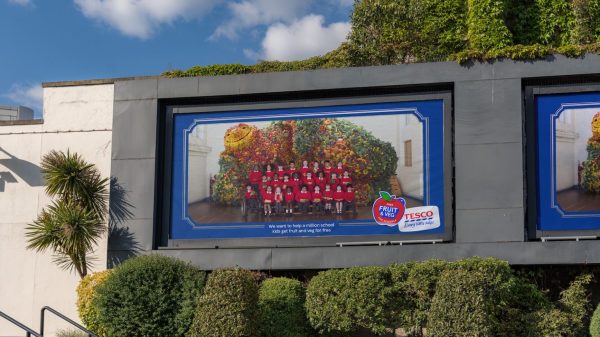
Tesco’s recent ‘Fruit & Veg’ TVC and PR/in-store initiative presents the perfect opportunity for them to get behind good food and get consumers on their side, in a world where supermarkets are so often demonised when it comes to pushing unhealthy food.
Staying faithful to the new rules by changing what you talk about as a brand, could open up new opportunities for comms previously untapped.
Brands like Kellogg’s have known this for years – and we see them double down on initiatives like ‘Football camps for kids’ – a far cry from the Coco Pops Monkey promoting high sugar cereal to kids TV in the 90s, in an approach which goes beyond just promoting healthier SKUs, but actively investing in a healthy-living programme.
Lesson 3: Spice up your brand world
LHF doesn’t mean you can no longer communicate taste – many famous ads from the chocolate and crisps categories of the past are close to being LHF-safe (with some minor slicing and dicing).
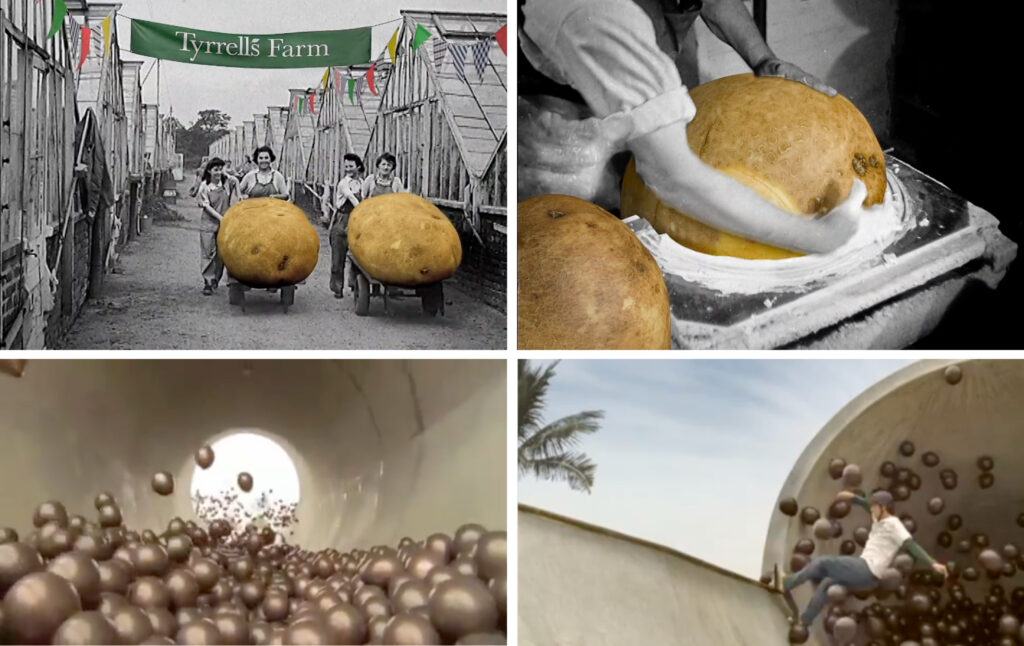
The use of metaphor, a fantasy-esque context proves itself useful here – as in Aero’s 2018 ad ‘Bubblephone’ or 2009’s ‘Skater’; or Tyrrells’ 2019 platform ‘Tyrrebly tyrrebly tasty’, which with smart editing and script tweaks, could be LHF-safe.
And the more creative, outlandish or unique the better – Aero’s sea of bubbling chocolate delivers on texture, sweetness, and a retina burn moment.
Tyrrells’ lens of nostalgia makes their potatoes seem earthier, more delicious and linked to craft – built through brand world rather than packaging shot.
The further from ‘reality’, the safer the ad in light of the rules. The category playbook of a consumer sat on the sofa, in an office, or at work eating a clearly visible product – suddenly needs to be thrown out, in favour of visual metaphor or creative brand world reimagining.
Lesson 4: Find your ‘main character’ moment
Opportunities can be found in a shift of mindset, switching up the focus away from product RTBs to unlocking the brand moment you can truly become famous for.
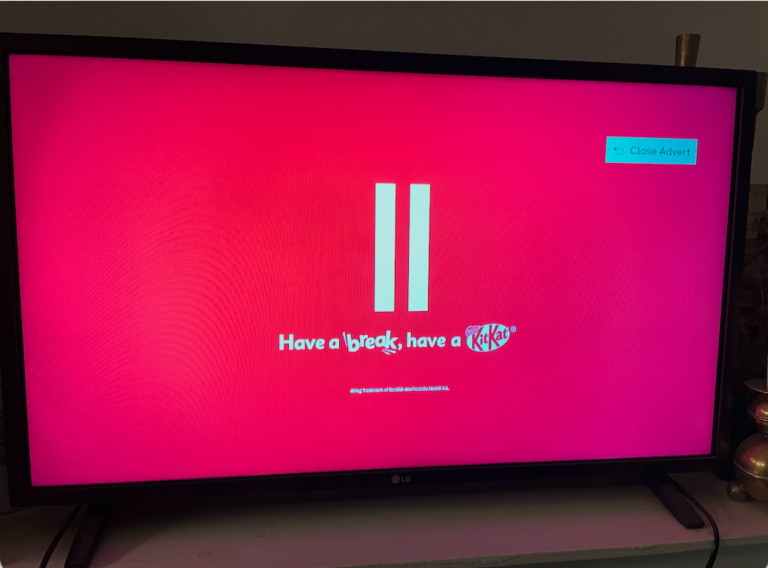
The master of the brand moment, KitKat, exemplifies this technique.
Assets like simple branded ad pauses – in KitKat’s case, bringing to life the moment for a KitKat break amid your evening viewing – reinforces their long-term brand message while evolving the execution for the rules.
From Aperol’s aperitivo hour, KitKat’s ‘mini break’, or Bailey’s domination of Christmas – nail the moment which could make your brand famous.
Lesson 5: Put distinctive assets centre stage
In a world where your product can’t take centre stage, the opportunity to sweat, reinforce, and perhaps build new distinctive brand assets is a big one.
For audiences who know you – these are the red thread playing back to your offering. For those who don’t, they become the ownable prompt for your audience to find out more.
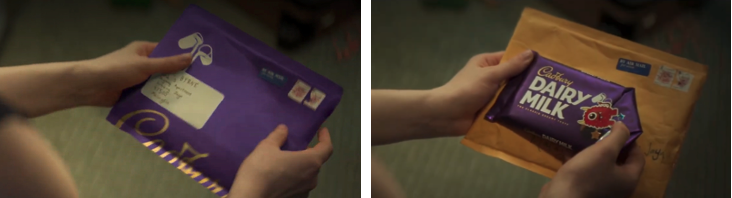
Cadbury’s recent ‘Homesick’ TVC exemplifies this. Their distinctive assets are so engrained, the purple envelope is all we need to evoke the purple bar that we all know and love. These cues are all that’s needed to leave hearts warmed, and mouths watering.
Lesson 6: Make your product the news
In a world where your product can’t be identifiable in paid digital media – earned media now presents a new opportunity for product comms – but fortune favours the bold here in creating a strong enough hook for editorial that goes beyond an ‘ad’ dressed up in a press release.
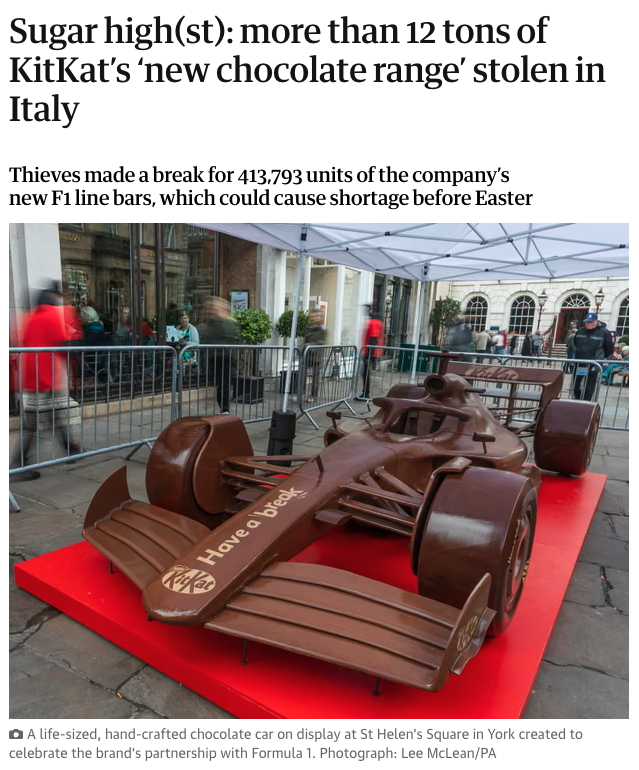
KitKat’s loss of tonnes of F1-branded chocolate not only became bigger and more talked about than any paid-for KitKat campaign in modern memory, it splashed images of their new F1 partnership SKU across the pages of mainstream media; and their team have been smart to leverage and amplify this opportunity, regardless of how fortuitously it came about – an opportunity even more valuable amid the LHF environment.
The opportunity for earned to play a role for product commuications is there for the taking – but to go beyond trade press, ideas need to be bold, real world, and with enough talkability or novelty factor to make consumer journalists take notice.
Great brands have long championed brand storytelling, ownable distinctive assets, bold behaviours and creative metaphor to build the long-lasting foundations that turn ‘less healthy foods’ into so much more than a mid-afternoon treat or evening indulgence.
Brands who tackle constraint with creativity might find they discover a golden opportunity amid this new regulatory environment.
Questions, thoughts or experiences of navigating LHF? We’d love to hear from you: lindsay.bott@redbrickroad.com
Follow us on LinkedIn for more insights.
Source images:
Domino’s: https://www.youtube.com/watch?v=6D999pu4-A8
Tyrrells: https://www.youtube.com/watch?v=FG4xinWHDOk
Aero Skater: https://www.youtube.com/watch?v=ebQB7BqtCQ0&list=RDebQB7BqtCQ0&start_radio=1
Tesco Free Fruit & Veg: https://mediashotz.co.uk/tesco-doubles-free-fruit-veg-for-schools-programme-with-new-bbh-creative/
Cadbury Homesick (LHF-friendly): https://www.youtube.com/watch?v=v8WGBGJ3WZ4
Cadbury Homesick (non-LHF-friendly): https://www.youtube.com/watch?v=zqJz7gcii0E
KitKat: Author’s own photograph